
IDS Group
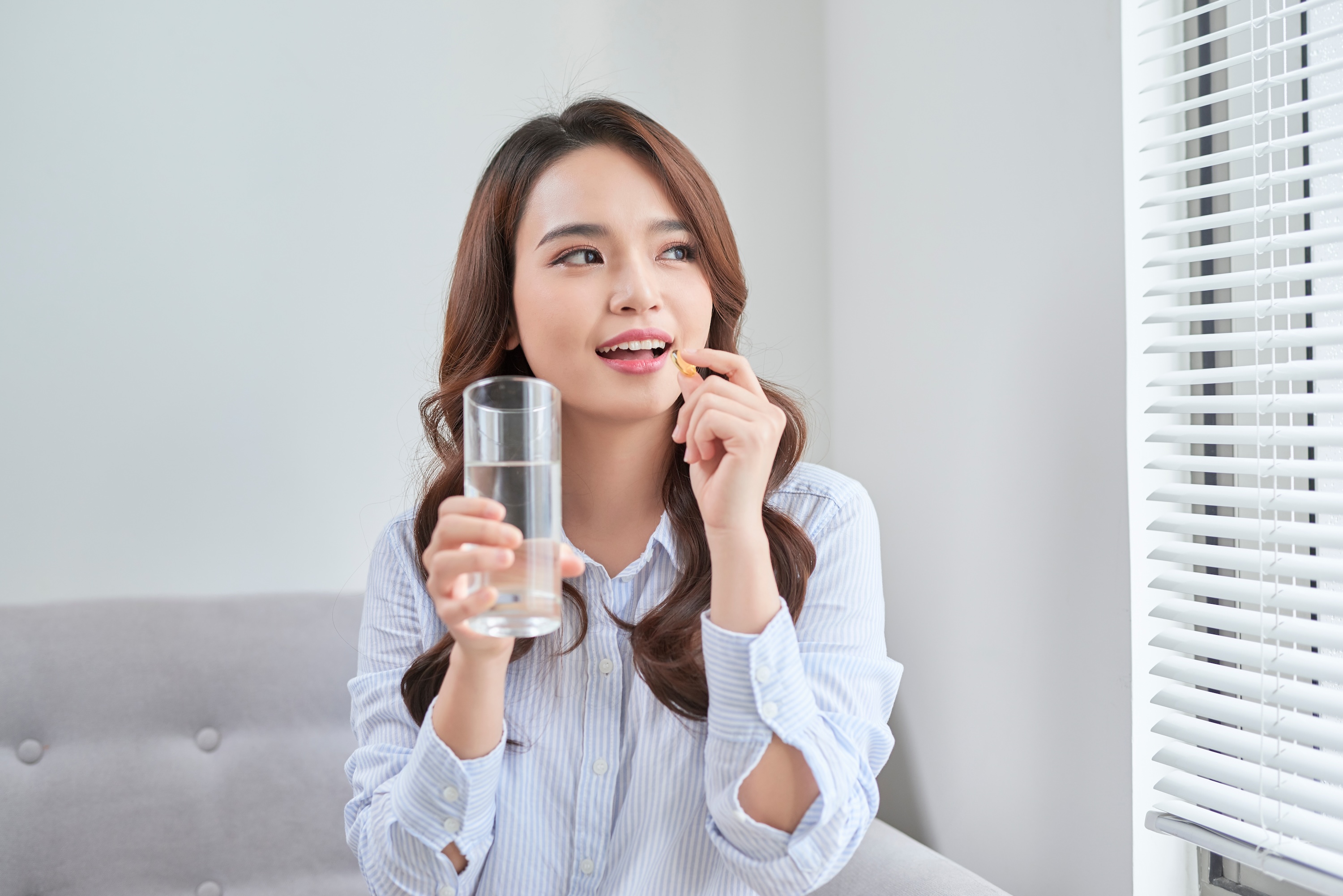


Walk into any pharmacy or beauty hall in Singapore, and you’ll see shelves lined with collagen drinks, antioxidant capsules and glow-boosting powders promising radiant skin from within. Edible beauty supplements are no longer niche. They are mainstream. But what is driving their popularity, and how much of it is grounded in science?
Why Edible Beauty Is Booming
While Asia appears to be leading the charge today, the edible beauty movement did not begin here. The trend can be traced back to Europe in the 1990s, when Scandinavian collagen supplements gained traction and set the stage for what would become a global category. Over the years, the market expanded rapidly, with multiple brands launching their own formulations.
In Asia, particularly in Japan and Korea, the concept evolved further. Supplements marketed as being “specially formulated for Asians” captured consumer imagination. The messaging resonated strongly in markets like Singapore, where consumers are highly educated, ingredient-savvy, and constantly searching for the next upgrade in their beauty routine. The promise is simple and compelling: better skin, made easier.
Edible Beauty vs Skincare: Which Matters More?
Despite the surge in ingestible beauty, skincare remains the cornerstone of any effective regimen. Supplements, by definition, are meant to supplement and not replace a well-formulated topical routine.
Topical skincare works directly on the skin barrier, addressing concerns like pigmentation, acne, and wrinkles at the source. Supplements, on the other hand, support the overall skin health systemically. When used together thoughtfully, they may complement each other. However, to expect a pill alone to replace a serum or sunscreen is unrealistic.
For consumers looking for visible results, prioritising a consistent, evidence-based skincare routine should always come first.
When Beauty Brands Enter the Supplement Space
It’s no surprise that established skincare brands are expanding into supplements. From a business perspective, it is a natural extension. Brands already own credibility in the beauty space and can leverage their identity to enlarge their SKUs and offer a more “holistic” approach.
For consumers, this can be both reassuring and confusing. On one hand, a familiar brand name may inspire trust. On the other hand, brand recognition does not automatically equal scientific efficacy. As with skincare, formulation quality and evidence matter more than branding alone.
Safety: What You Need to Know
Generally speaking, most beauty supplements contain ingredients classified as GRAS (Generally Recognised As Safe). This means they are widely accepted as safe for consumption at recommended doses.
However, unlike pharmaceuticals, many supplements are not required to undergo strict pre-market registration. This makes it difficult to detect illegal or undisclosed ingredients before they reach consumers.
While the majority of products on shelves are safe, there is no foolproof method to guarantee purity beyond regulatory oversight and responsible manufacturing. Consumers should therefore approach supplements with informed caution rather than blind trust.
Ingredients: The Good and the Concerning
Among the more beneficial ingredients are antioxidants, a broad category shown to support both skin and overall health. These include curcumin, astaxanthin, collagen peptides, and various vitamins such as Vitamin C and E. Many of these compounds have documented roles in combating oxidative stress, which contributes to skin ageing.
On the flip side, consumers should be wary of supplements containing hormones, hormone-like compounds, or strong stimulants. These can potentially disrupt the body’s natural balance and carry unwanted side effects.
The most practical step? Read the ingredient list. An informed consumer is far less likely to be misled by flashy packaging or exaggerated claims.
How to Choose Wisely
The sheer number of brands in the market can make selection overwhelming. Before purchasing, it helps to:
- Check the background and credibility of the company
- Look for claims supported by scientific data
- Avoid products that sound too good to be true
- Be cautious of aggressive marketing that promises dramatic, instant results
It is easy to be swayed by beautifully packaged beauty drinks or influencer endorsements. But long-term skin health is built on consistency, not quick fixes.
A Passing Fad or Here to Stay?
Edible beauty is unlikely to disappear anytime soon. The modern consumer wants convenience, speed and optimisation, and swallowing a capsule feels easier than layering multiple products.
As long as skincare exists, supplements will continue to evolve alongside it. They offer the appealing idea of an “inside-out” approach to beauty, and that narrative is powerful.
Our Clinic Locations
Novena Specialist Center
8 Sinaran Drive, #05-09 to 10
Singapore 307470International Building
360 Orchard Road
#02-02 International
Building, Singapore 238869